Reputable Home Builder: Fashioning Your Envisioned Sanctuary With Quality and Thoughtfulness
Engaging a dependable home builder is a essential step toward realizing one’s dream home. Their expertise shapes the project, guaranteeing quality construction and adherence to local codes. A trusted builder fosters a cooperative environment, enhancing communication and acknowledgment of client needs. This strategy decreases stress and elevates the building experience. Yet, many neglect key factors when making this choice. What important qualities should one identify, and how can they establish a successful partnership?
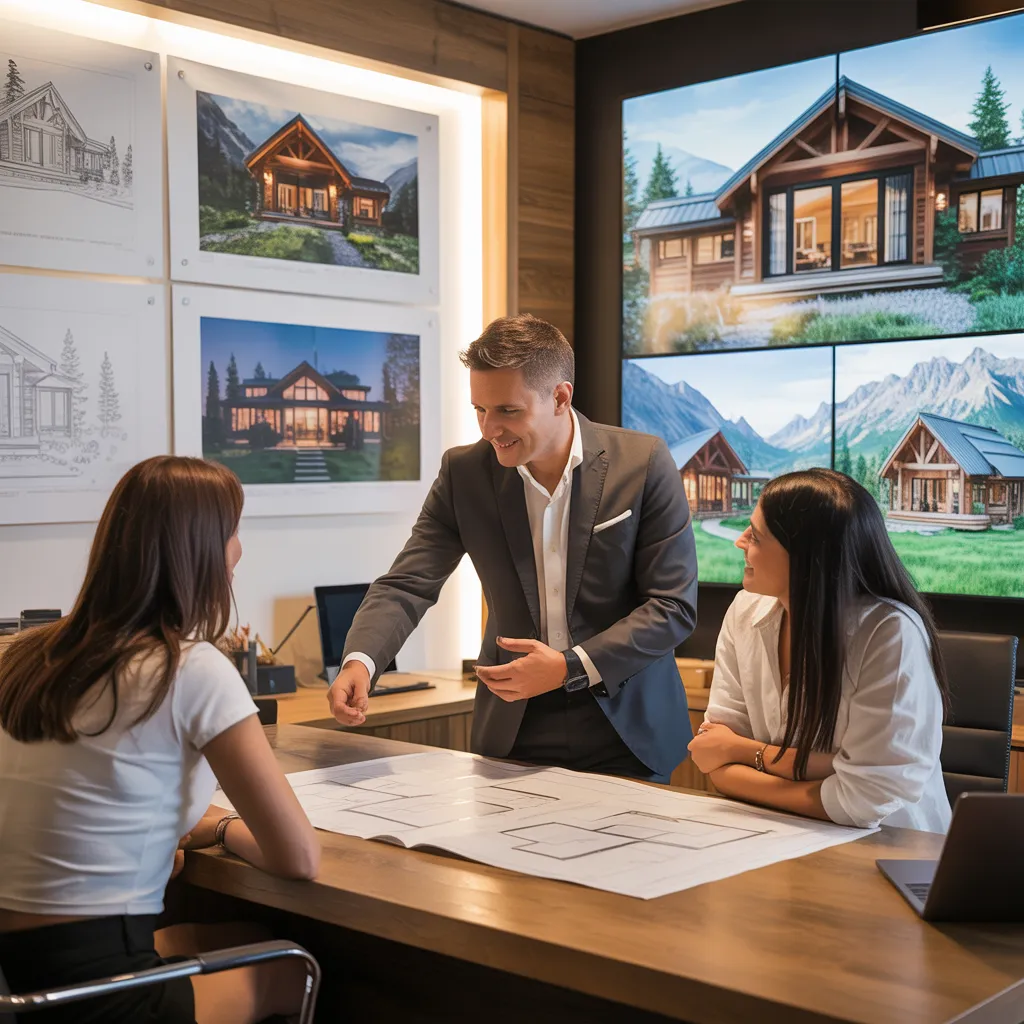
Why Opting for the Ideal Home Builder Is Paramount
Picking an right home contractor can considerably affect the overall achievement of a desired home project. A builder's skill substantially determines the caliber, layout, and practicality of the final product. Selecting a skilled builder ensures adherence to local standards, efficient use of materials, and punctual project completion. Furthermore, a established builder can traverse potential issues, minimizing concern for residents.
The builder's background in the specific style or nature of property preferred can strengthen the project's visual appeal and structural quality. Moreover, strong communication between the builder and the homeowner nurtures collaboration, guaranteeing that the homeowner's vision is achieved. An established builder frequently has a network of reliable subcontractors and suppliers, which can also facilitate the construction process.
Ultimately, the perfect home contractor not only brings knowledge but also a pledge to client contentment, making the selection process a vital step in making a desired home into actuality.
Important Attributes of a Reputable Housing Developer
When choosing a home builder, specific attributes are essential to guarantee a successful partnership. Established track record, transparent communication, and a dedication to superior workmanship stand out as important characteristics of a trusted builder. These features not only build trust but also aid the realization of a property owner's dream.
Proven Track Record Is Most Important
Strong experience functions as a cornerstone in the selection of a reputable home builder. This quality not only reflects a builder's capacity to handle the complexities of construction but also indicates a history of completed projects. Veteran builders have usually faced a wide array of challenges and possess the troubleshooting skills required to address them successfully. Their knowledge with local regulations and construction standards ensures adherence, minimizing possible delays and compliance problems. In addition, a well-established builder often has a web of dependable subcontractors and vendors, which can result in better quality products and workmanship. Ultimately, choosing a builder with proven background significantly increases the likelihood of a smooth, productive, and positive home-building journey.
Straightforward Communication Practices
Effective communication serves as an essential basis in the relationship between homeowners and contractors. Trusted home construction companies emphasize transparent communication methods, guaranteeing that clients are well informed throughout the construction process. This involves frequent notifications on construction timelines, budget adjustments, and any potential obstacles that may arise. By preserving open lines of communication, builders foster confidence and collaboration, enabling property owners to express worries and pose questions openly. Clear documentation, including agreements and advancement summaries, further enhances transparency, guaranteeing that all parties have a shared comprehension of expectations. Furthermore, feedback mechanisms allow contractors to handle property owner requirements quickly, strengthening their dedication to client satisfaction. Ultimately, open communication acts as an essential element in providing a effective construction process.
Quality Construction Assurance
Constructing a ideal home requires both transparent communication and a commitment to high-quality craftsmanship. A reliable home builder values thoroughness, ensuring that all aspects of construction meet rigorous standards. This entails using premium materials, employing skilled labor, and following industry standards in design and engineering. Frequent quality inspections throughout the building process ensure these standards by catching and resolving issues early. Additionally, a reputable builder cultivates a environment of accountability, inspiring their team to take pride in their work. By forging strong relationships with subcontractors and suppliers, they guarantee consistency and reliability. In the end, this commitment to quality craftsmanship not only improves the home’s visual appeal but also ensures its durability and longevity.
Examining a Dependable Home Builder's Background
How can one assess a builder's reliability and expertise? Assessing a builder's track record is essential for ensuring a successful outcome. Prospective homeowners should begin by reviewing the builder's collection of work, which displays previous work and illustrates their approach and craftsmanship. learn the facts Additionally, years of experience in the industry can suggest a builder's stability and understanding of industry standards.
Testimonials and feedback from former clients offer understanding into the builder's reliability and customer service. It is also helpful to ask about any awards or recognitions, as these can showcase a dedication to excellence. Engaging in frank conversations with the builder can reveal their approach to handling problems and communication. Lastly, verifying licenses and insurance ensures that the builder adheres to local regulations and industry standards. Overall, thorough research and careful inquiries are important to evaluating a reliable home builder's experience effectively.
What Should You Ready For During the Building Process?
Homeowners setting out on the process of constructing their dream home can anticipate a sequence of phases that will develop throughout the construction timeline. Initially, ground preparation takes place, including property clearing and foundation work. Following this, the base is installed, creating a strong foundation for the building.
When the base is finalized, framing initiates, which outlines the home’s layout. Afterward, crucial installations such as plumbing and electrical systems are added, guaranteeing functionality. Following this, insulation and drywall are applied, creating the interior framework of the home.
After that, homeowners can expect the fitting of windows, doors, and roofing, resulting in a more distinct exterior. The finishing touches, such as flooring, cabinetry, and painting, mark the last phase. Throughout this process, assessments may take place to verify compliance with building codes and standards, ultimately guiding homeowners closer to realizing their dream home efficiently and effectively.
The Necessity of Maintaining Contact with Your Builder
Strong conversation with the builder plays an essential role in the home construction endeavor. Clear dialogue ensures that both parties understand expectations, timelines, and project details. Regular updates from the builder keep homeowners informed about progress, potential delays, and any necessary adjustments. This forthrightness fosters assurance, allowing homeowners to voice reservations or questions promptly.
Listening proves similarly critical; craftspeople who actively engage with end-users can better grasp their visions and preferences. Transparent discussion also facilitates problem-solving, as issues can be managed expeditiously before spiraling into substantial challenges.
Additionally, recording conversations and decisions helps in preserving a clear record that can be referenced during the building project. In the end, effective dialogue establishes a collaborative atmosphere, enabling both contractors and property owners to collaborate harmoniously toward the common objective of building a ideal residence. Prioritizing this element of partnership is vital for a prosperous building project.
Teaming Up for Triumph Together With Your Home Builder
Productive collaboration with a home builder is based on preserving honest communication pathways and unifying visions. Transparent communication strengthens trust and verifies that both parties are on the same page throughout the building process. This shared perspective is fundamental for realizing ideas into actuality.
Open Communication Channels
Fostering robust dialogue platforms is vital for a successful working relationship between homeowners and builders. This openness strengthens trust, permitting both parties to communicate perspectives, issues, and input efficiently. Ongoing discussions and interactions help to guarantee that the project remains progressing well and that any arising problems are tackled immediately. Homeowners should feel assured when stating their choices, while builders can share insights on feasibility and timelines. Adopting various communication tools, such as emails, phone calls, or project management software, can streamline discussions and maintain everyone's awareness. In conclusion, a commitment to transparent dialogue not only elevates the building process but also reinforces relationships between homeowners and builders, paving the way for a more rewarding and successful home-building outcome.
Mutual Direction Alignment
Homeowners and builders form a firm partnership based on a shared vision that coordinates the goals and expectations of both parties. This harmony fosters a harmonious environment where ideas can be freely exchanged to ensure the final product accurately represents the homeowner's wishes. Builders who value understanding their clients' dreams are more capable of providing customized solutions that boost satisfaction and minimize misunderstandings. Conducting regular check-ins and feedback sessions helps strengthen this alignment, allowing for necessary adjustments during the project's development. When both parties are committed to a unified vision, the outcome is not merely a house, but a dream home created with dedication and excellence. This synergy leads to successful project completion and strong relationships.
Commonly Requested Information
What Financing Options Are Obtainable for Developing a New Home?
Several funding solutions for building a new home include construction loans, traditional mortgages, FHA loans, and VA loans. Each option provides distinct advantages, catering to different financial situations and project requirements for prospective homeowners.
What represents the Typical Timeline for the Full Home Construction Process?
The entire home building procedure generally requires six to twelve months, based on factors such as architectural intricacy, weather conditions, and local regulations. Setbacks may occur from sourcing problems or regulatory obstacles throughout construction.
Can I Make Modifications During the Construction Phase?
Yes, modifications can be made during the construction phase, but they may affect deadlines and expenses. Occupants should inform any changes promptly to guarantee smooth transitions while decreasing interference to the ongoing project.
What Guarantees Do Home Builders Usually Give?
Home builders customarily offer warranties dealing with structural integrity, workmanship, and major systems like plumbing and electrical. Duration and specifics vary, but most supply a minimum one-year warranty on materials and an extended term for structural components.
What Factors Should I Evaluate When Selecting a Location for My Recent Home?
Selecting the perfect area for a new home demands evaluating factors like proximity to work, schools, amenities, safety, and future development. Investigating neighborhoods and assessing personal lifestyle needs are essential steps in the decision-making process.